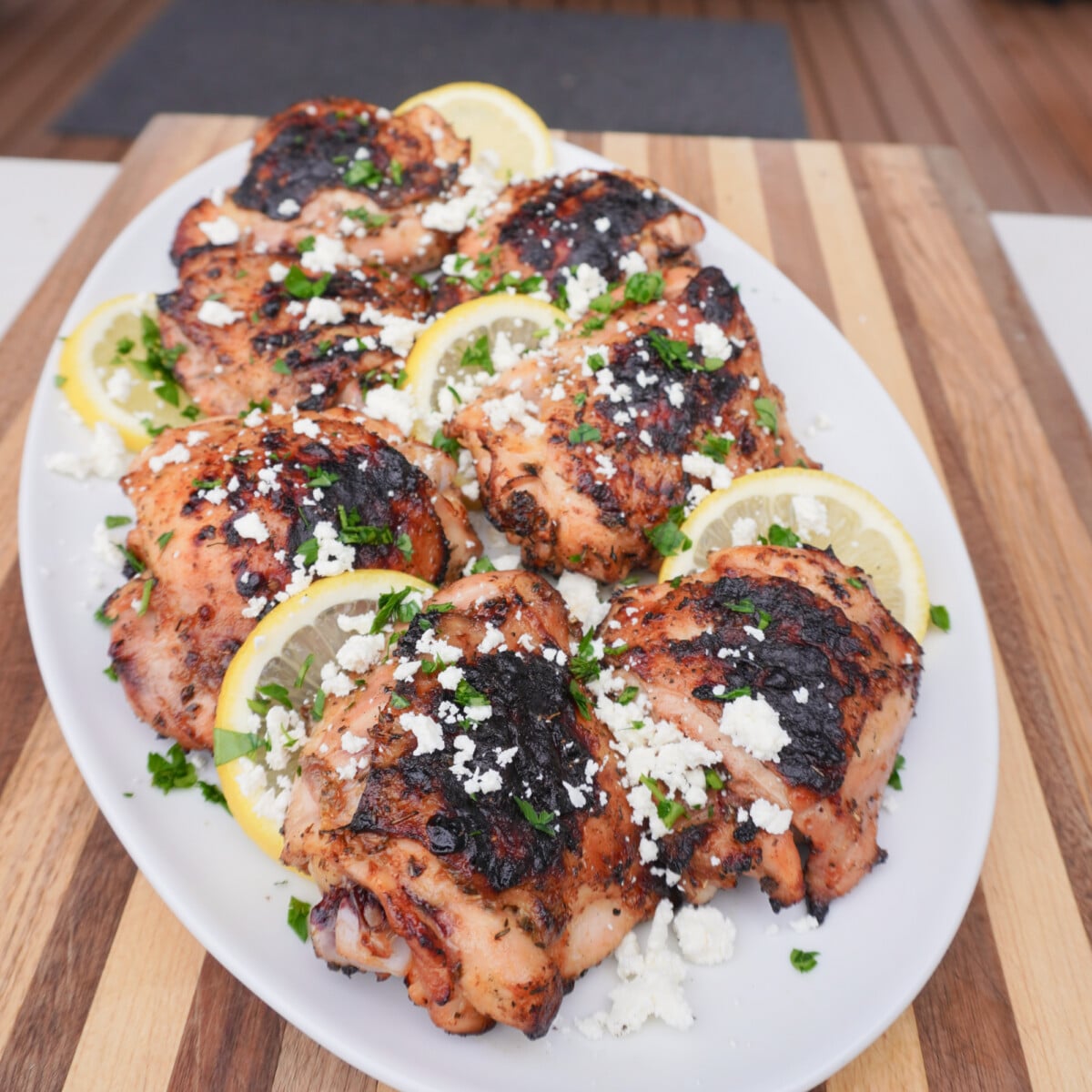
Unlocking Tender Flavor: The Allure of Grilled Greek Lemon Chicken
In the quest for a meal that embodies freshness, vibrant flavors, and satisfying healthfulness, few dishes stand out quite like grilled Greek lemon chicken. This Mediterranean-inspired marvel captures the essence of sun-drenched landscapes and ancient culinary traditions, delivering a dish that's incredibly juicy, bursting with zesty brightness, and profoundly aromatic. It's a culinary experience that feels light and invigorating, yet robust enough to anchor a hearty dinner.
The appeal of grilled Greek lemon chicken transcends occasions. It’s an ideal candidate for bustling weeknight dinners, laid-back backyard cookouts with friends and family, or as a star component in your weekly meal prep. Imagine succulent chicken, lightly charred from the grill, served alongside a medley of vibrant grilled vegetables and crispy roasted potatoes – a simple, crowd-pleasing combination that truly never gets old.
At its heart, this recipe is a masterclass in balance. The secret lies in a harmonious blend of ingredients where each plays a crucial role: the bright acidity of fresh lemon juice, the rich fruitiness of olive oil, the pungent warmth of garlic, and the earthy perfume of classic Greek herbs like oregano and thyme. Together, they create a marinade that not only infuses the chicken with an unmistakable Greek flavor profile but also works tirelessly to tenderize the meat, ensuring every bite is moist and delectable.
The Art of the Marinade: Balance is Key for Perfect Tenderness
The true magic behind perfectly tender and flavorful grilled Greek lemon chicken begins long before it ever hits the hot grates. It starts with the marinade – a potent concoction designed to transform ordinary chicken into an extraordinary culinary delight. This isn't just about adding flavor; it's about a scientific dance of acids, oils, and aromatics working in unison.
- Fresh Lemon Juice: The undeniable star. Lemon juice provides that signature zesty brightness and, more importantly, its acidity acts as a natural tenderizer. It gently breaks down the proteins in the chicken, leading to a wonderfully soft and yielding texture. Always opt for fresh-squeezed lemon juice; the bottled variety simply can't compare in terms of flavor and potency. Adding a touch of lemon zest to the marinade amplifies the citrus aroma, embedding it deeper into the meat.
- High-Quality Olive Oil: The backbone of the marinade. Good extra virgin olive oil not only carries the fat-soluble flavors of the herbs and garlic but also helps to keep the chicken moist during the grilling process, preventing it from drying out. It also contributes a subtle, peppery richness that is quintessential to Mediterranean cuisine.
- Fresh Garlic: Minced garlic delivers a pungent, savory depth that forms the aromatic foundation of the dish. Don't be shy with the garlic; it's a cornerstone of Greek flavors.
- Classic Greek Herbs: Dried oregano and thyme are non-negotiable. Their earthy, slightly peppery notes instantly transport you to the sun-drenched hillsides of Greece. While dried herbs are traditional and convenient, fresh herbs (finely chopped) can elevate the aroma even further.
- Salt and Pepper: Essential for seasoning the chicken from the inside out. Don't underestimate their role in enhancing all the other flavors.
The Golden Rule: Don't Over-Marinate! While marinating is crucial, there's a delicate balance to strike, especially with acidic marinades. The lemon juice, while a fantastic tenderizer, can start to "cook" or denature the chicken proteins if left for too long. If the chicken sits in an acidic marinade for an excessive period (typically more than 5-6 hours for chicken breasts), it can actually toughen the meat, making it chewy and unpleasant when grilled. For best results, aim for a marinating time of 2 to 5 hours for chicken breasts. Thighs, being a bit more forgiving, can sometimes handle up to 6-8 hours, but always err on the side of caution. Remember to occasionally flip the bag or container to ensure all pieces are evenly coated and soaking up that delicious flavor.
Grilling to Perfection: Techniques for Juiciness and Char
Once your chicken has soaked up all that beautiful Greek goodness, the next step is to grill it to succulent perfection. Grilling not only adds an irresistible smoky depth but also creates those coveted char marks that beautifully complement the bright citrus and herbs.
- Preheat Your Grill: This is non-negotiable. A properly preheated grill (medium-high heat, around 400-450°F / 200-230°C) is essential for achieving a good sear, preventing the chicken from sticking, and ensuring even cooking.
- Oil the Grates: Even on a clean, hot grill, a light coat of high-smoke-point oil on the grates can prevent sticking.
- Manage Direct Heat: Place your marinated chicken directly over the heat. For beautiful grill marks, avoid moving the chicken too frequently. Let it sear for a few minutes on one side before flipping. This creates a crust and locks in juices.
- Don't Overcook: This is arguably the most critical tip for juicy grilled chicken. The moment chicken breasts go past their ideal internal temperature, they transition from tender to dry and tough. Invest in an instant-read thermometer. Cook chicken breasts until they reach an internal temperature of 160-162°F (71-72°C) in the thickest part. They will continue to cook a few degrees more as they rest, reaching the safe temperature of 165°F (74°C). Chicken thighs can typically go a bit higher, to about 170-175°F (77-79°C), without drying out, making them a forgiving choice for grilling.
- Rest the Chicken: Once cooked, transfer the chicken to a cutting board, tent it loosely with foil, and let it rest for 5-10 minutes. This crucial step allows the juices to redistribute throughout the meat, ensuring maximum tenderness and moisture. Slicing immediately after grilling will cause the juices to run out, leaving you with drier chicken.
Beyond the Breast: Versatility and Serving Suggestions
While chicken breasts are a popular choice for their lean profile, this grilled Greek lemon chicken recipe is wonderfully versatile and works beautifully with various cuts. Chicken thighs, with their higher fat content, remain incredibly juicy and flavorful on the grill, offering a slightly richer taste. You can also spatchcock a whole chicken or use drumsticks for a fantastic grilled meal, simply adjusting the grilling times to match the thickness of the meat.
The beauty of this dish extends to its serving possibilities. It pairs exquisitely with classic Mediterranean accompaniments:
- Grilled or Roasted Vegetables: Zucchini, bell peppers, red onion, and cherry tomatoes, perhaps tossed with a little olive oil and oregano, echo the flavors of the chicken perfectly.
- Crispy Roasted Potatoes: Lemon-herb roasted potatoes are a quintessential Greek pairing that creates a hearty and comforting side.
- Fresh Greek Salad: A vibrant salad with crisp lettuce, cucumbers, tomatoes, red onion, olives, and feta cheese offers a refreshing contrast.
- Rice Pilaf or Quinoa: Light and fluffy grains are excellent for soaking up any delicious chicken juices.
- Pita Bread and Tzatziki: Warm pita bread, perfect for scooping, alongside a cool, creamy tzatziki sauce (cucumber, yogurt, garlic, dill) provides an authentic touch.
This recipe is not just for dinner; it's also a fantastic addition to your meal prep rotation. Leftover grilled chicken can be sliced and added to salads, wraps, or grain bowls for healthy and flavorful lunches throughout the week. It’s a dish that genuinely appeals to a wide audience, making it a guaranteed crowd-pleaser – even with the kids!
For a tried-and-true recipe that encapsulates these vibrant flavors, look no further than our guide to Vibrant & Juicy: The Best Grilled Greek Lemon Chicken Recipe. Whether you're planning a quick weeknight dinner or a relaxed weekend gathering, mastering this dish makes for an incredibly rewarding experience. Discover more easy meal ideas with our tips for Easy Grilled Greek Lemon Chicken: Perfect for Weeknight Meals.
Expert Tips for Unforgettable Grilled Greek Lemon Chicken
- Pound Chicken Breasts Evenly: If using chicken breasts, pound them to an even ½-¾ inch thickness. This ensures they cook uniformly and prevents the thinner edges from drying out before the thicker parts are done.
- Scoring Thicker Cuts: For thicker chicken breasts or thighs, a few shallow scores (crosshatch pattern) on the surface can help the marinade penetrate deeper and speed up cooking slightly.
- Garnish with Freshness: A final squeeze of fresh lemon juice and a sprinkle of fresh chopped parsley or oregano just before serving enhances the bright, fresh flavors.
- Don't Re-use Raw Marinade: While tempting, never baste with or serve raw chicken marinade without boiling it thoroughly for several minutes to eliminate bacteria. It's often safer and tastier to reserve a small portion of the marinade ingredients *before* adding the chicken to create a fresh finishing sauce or glaze.
Mastering grilled Greek lemon chicken is more than just following a recipe; it's about understanding the synergy of ingredients and applying smart cooking techniques. From the tenderizing power of a perfectly balanced marinade to the art of grilling for optimal juiciness and char, every step contributes to a dish that is consistently fresh, flavorful, and profoundly satisfying. So, fire up your grill, embrace the vibrant tastes of the Mediterranean, and prepare to delight your palate with this timeless classic.
